Published 8 November 2026 | Fortuna Editorial Team
Shopify’s 6 November update adds five local payment options to its point-of-sale offering. For Hong Kong brands opening overseas stores or pop-ups, the opportunity depends on the location and payment account behind the checkout.
What changed
The announcement names Alipay, WeChat Pay, Satispay, Scalapay and GrabPay. Eligible customers complete the payment by scanning a QR code. Country availability differs, so the announcement does not establish that all five work for every Hong Kong merchant.
Shopify’s help page provides a useful example: GrabPay requires early access, a Singapore Shopify Payments account and SGD transactions. It also says these Shopify Payments transactions use online payment rates rather than card-present rates. Confirm current account eligibility and pricing before estimating the benefit.
Fortuna perspective
Payment familiarity can be useful for a visitor or local shopper who has already decided to buy. Our recommendation is to treat the change as a checkout experiment tied to one real retail location, with a measurable cost and support plan.
Practical next steps
1. Record the store country, selling currency and Shopify Payments account location.
2. Check the specific wallet’s eligibility and whether it appears in the POS payment settings.
3. Train staff using a test purchase and refund, including what to do when payment confirmation is delayed.
4. Compare completed purchases and payment costs before extending the setup to another shop.
The useful outcome is a reliable customer payment journey. A longer list of payment logos alone does not demonstrate better conversion.
About Fortuna
Fortuna supports Hong Kong brands with overseas e-commerce, marketplace operations and digital marketing. https://www.fortuna-online.org/
References
https://changelog.shopify.com/posts/accept-five-new-local-payment-methods-in-store-with-shopify-payments
https://help.shopify.com/en/manual/sell-in-person/shopify-pos/payment-management/accepting-local-payments
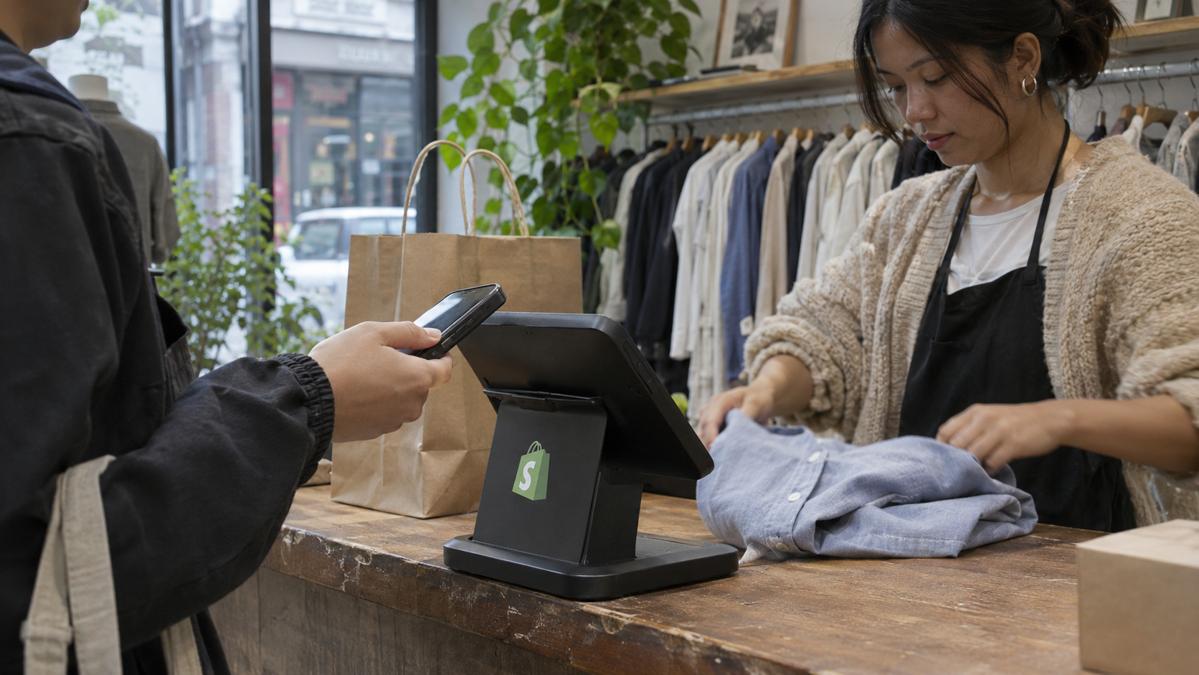
Cover disclosure: AI-generated photorealistic editorial image; not a photograph of an actual event.